


Buffalo's climate punishes HVAC equipment harder than almost anywhere in the country. Winter temperatures regularly drop below zero with lake effect snow creating moisture infiltration issues. Your furnace runs nonstop from November through March, and that constant cycling wears components fast. Summer brings high humidity off Lake Erie that forces air conditioners to work overtime removing moisture, not just cooling air.
The freeze-thaw cycles crack condensate lines and damage outdoor units. Salt air from winter road treatments corrodes coils and electrical connections. Homes in North Buffalo and Allentown with older radiator systems need careful integration when adding central air. Properties near the waterfront in Canalside deal with elevated humidity year-round.
Your system works harder in Buffalo than it would in most climates. A furnace here logs more operating hours in one winter than systems in milder regions see in three years. That's why preventive maintenance matters and why choosing a technician who understands local conditions makes the difference between a repair that lasts and one that fails again next month.
We've spent years fixing the same problems in the same neighborhoods because Buffalo's climate creates predictable failure patterns. We know which furnace models struggle in Elmwood Village's older homes. We understand how lake effect humidity destroys evaporator coils in Kenmore. We've replaced thousands of cracked heat exchangers in Delaware District row houses where undersized units run themselves to death.
Our trucks carry Buffalo-specific parts because we're not guessing what fails here. We stock igniters for the furnace brands common in this area. We carry the capacitors that humidity kills in lakefront properties. We have the refrigerant your 15-year-old AC unit needs when other companies tell you it's unavailable.
When you call at 2 AM because your heat died, we answer. We dispatch immediately, not in the morning. Our technicians arrive with tools and parts to fix your system now, not to diagnose it and come back tomorrow. We've done this enough times to know what failed before we walk in your door.
You're not getting a salesperson pushing new equipment. You're getting a technician who can repair what you have if it makes sense or give you honest guidance when replacement is the smarter move. We don't profit from selling you things you don't need. We profit from being the company Buffalo calls first because we actually show up and fix the problem.
That's the difference. We're not the cheapest, but we're the ones who answer at midnight in January and have your heat back on before sunrise.

Your HVAC emergency doesn't wait for business hours. We dispatch immediately when your heat fails on a zero-degree night or your AC dies during a heatwave. Real technicians answer our phones, not answering services. We arrive fast with fully stocked trucks ready to restore your comfort.

We've fixed thousands of systems damaged by lake effect conditions, freeze-thaw cycles, and salt corrosion. Our technicians know which components fail first in Buffalo's harsh climate and carry those parts on every truck. We understand how your neighborhood's specific conditions affect your equipment.
We stock the parts that actually fail in Buffalo homes. Our trucks carry igniters, capacitors, contactors, and refrigerant for the brands common in this area. That means we fix your system on the first visit instead of diagnosing and scheduling a return trip while you wait without heat or cooling.
We tell you when repair makes sense and when it doesn't. If your 20-year-old furnace needs a $900 repair, we'll explain that a new high-efficiency unit might be smarter. We don't push unnecessary replacements, but we won't waste your money fixing equipment that's at end of life.
United HVAC Buffalo handles everything that keeps your home comfortable regardless of what Buffalo's weather throws at you. We repair and replace furnaces, boilers, heat pumps, central air conditioners, and ductless mini-splits. We service all major brands and have the training and parts access to work on systems other companies refuse to touch.
Our service range covers emergency repairs when your system fails, planned replacements when equipment reaches end of life, and preventive maintenance to catch problems before they leave you without heat or cooling. We work on residential and commercial systems in single-family homes, apartment buildings, and small businesses throughout Erie County.
Whether you need a cracked heat exchanger replaced in your 15-year-old furnace, a new high-efficiency AC unit installed, or a complete system upgrade from an old boiler to modern forced air, we handle the entire project from permits to final inspection. We pull proper permits, follow local codes, and coordinate inspections so the job is done right. Our work focuses on three main categories based on what your situation requires.
When your heating or cooling fails, we respond immediately. Our emergency service covers furnace breakdowns in winter, AC failures during heatwaves, and any system malfunction that threatens your comfort or safety. We diagnose the failure, explain your options clearly, and complete repairs fast using parts we stock specifically for Buffalo's most common failures. No callbacks, no delays waiting for parts to arrive.
We install new furnaces, air conditioners, heat pumps, and boilers when your existing equipment reaches end of life or you're upgrading for better efficiency. Our installations include proper sizing calculations for Buffalo's climate, ductwork modifications if needed, permit acquisition, and final inspection coordination. We remove old equipment, install the new system correctly, and verify performance before we leave.
Buffalo's harsh climate demands regular maintenance to prevent failures during extreme weather. Our tune-ups include complete inspection, cleaning, and adjustment of all system components. We catch worn parts before they fail, verify safe operation, and optimize performance so your equipment runs efficiently. Spring AC checkups and fall furnace inspections keep your system reliable when you need it most.
Buffalo's location on Lake Erie creates specific HVAC challenges you won't find in other regions. Our extreme temperature swings from subzero winters to humid summers stress equipment constantly. Lake effect moisture infiltrates systems and causes corrosion. Road salt becomes airborne and eats through outdoor unit components. Older homes in established neighborhoods have undersized ductwork or outdated systems struggling to keep up.
We see the same failures repeatedly because the climate and housing stock create predictable problems. Furnaces oversized for mild climates short-cycle here and wear out fast. Air conditioners installed without considering humidity load struggle to dehumidify. Heat exchangers crack from thermal stress. Condensate lines freeze and burst. Understanding these common issues helps you recognize problems early before they become expensive emergencies.
Buffalo furnaces run nonstop during winter, cycling thousands of times per season. That constant heating and cooling causes metal fatigue and cracks. A cracked heat exchanger allows combustion gases into your home and requires immediate shutdown. Age and improper sizing accelerate this failure.
High-efficiency furnaces produce condensation that drains through plastic pipes. When those lines freeze in Buffalo winters, water backs up and floods your basement or damages your furnace. Improper installation, inadequate insulation, or clogged drains cause this problem. We see it constantly in older homes.
Lake Erie's moisture and salt air corrode outdoor AC units faster than normal. Coils develop pinhole leaks, electrical connections fail, and contactors pit and stick. Properties near the waterfront face accelerated deterioration. Regular coil cleaning and corrosion protection extend equipment life in these harsh conditions.
Many Buffalo homes have furnaces or AC units sized for milder climates or installed decades ago when standards were different. Undersized equipment runs constantly, never quite catching up during temperature extremes. This creates comfort problems, high utility bills, and premature equipment failure from overwork.
When your HVAC system fails or you need service, you want straight answers and fast action. We skip the sales pitch and focus on solving your problem. Our process starts with understanding what's happening with your system, diagnosing the actual cause, and giving you clear options with honest pricing.
You talk to a real technician when you call, not a call center. We ask questions to understand your situation and give you realistic expectations about response time and what we'll likely find. For emergencies, we dispatch immediately. For planned service, we show up on time in the window we promise.
Our technicians arrive in marked trucks with tools and parts to complete most repairs on the spot. We explain what failed, why it happened, and what we recommend. You get options, not pressure. We want you to understand the decision you're making whether that's repair, replacement, or temporary fixes to get through the season.
We diagnose your system thoroughly and explain what failed in plain language. You see the broken part, understand why it matters, and learn what caused the failure. We provide written estimates before starting work and never add surprise charges. You make informed decisions based on facts, not fear.
Our trucks stock the parts that commonly fail in Buffalo systems. We carry igniters, capacitors, contactors, thermostats, and refrigerant for major brands. That means we fix your system during the first visit instead of diagnosing today and returning next week. Your heat or cooling is restored fast without multiple appointments.
We guarantee our repairs and stand behind our work. If something isn't right, we come back and make it right at no additional cost. You get follow-up contact to verify your system is performing properly. We're available after the repair if you have questions or concerns about operation.
We've streamlined our service process to get your heating or cooling restored quickly without confusion or delays. Every job follows the same basic approach regardless of whether it's emergency repair or planned installation.
Call us at (716) 317-7757 and speak directly with a technician who understands HVAC systems. We ask questions about your symptoms, determine urgency, and dispatch a truck immediately for emergencies or schedule a convenient time for non-urgent service. You receive confirmation of arrival time and technician contact information.
Our technician arrives on time, diagnoses your system completely, and explains the problem clearly. You receive a written estimate before any work begins. We complete the repair using quality parts, test system operation thoroughly, and verify performance meets specifications. Most repairs finish during this single visit.
Before we leave, we walk you through what we did and answer any questions. You receive documentation of the work completed, parts installed, and warranty information. We follow up to confirm your system is performing properly and remain available if you need support or have concerns about operation.
Buffalo's climate demands specific HVAC considerations that don't apply in moderate regions. Our heating degree days exceed 6,600 annually, meaning furnaces here work three times harder than systems in Nashville or Atlanta. Equipment must be sized for actual design temperatures around negative 5 degrees Fahrenheit, not the mild winter conditions used in generic sizing charts.
New York State requires specific efficiency standards through the Energy Code. Furnaces must meet minimum AFUE ratings of 90 percent for forced air systems and 84 percent for boilers. Air conditioners need minimum SEER ratings of 14, though 16 SEER or higher makes sense here given our cooling season length and humidity levels. These aren't suggestions. They're legal requirements enforced through permit inspections.
Installation must follow International Mechanical Code as adopted by New York with local amendments. That includes proper combustion air supply sizing, venting materials and routing, condensate disposal, refrigerant line installation, and electrical disconnects. Gas line work requires licensed plumbers. Refrigerant handling requires EPA certification. Permit requirements vary by municipality, but most work in Buffalo proper requires permits pulled through the Division of Building Permits.
Humidity control matters more here than dry climates. Summer dew points regularly hit 70 degrees, creating indoor moisture problems if your AC unit isn't properly sized for latent load removal. That means selecting equipment based on moisture removal capacity, not just temperature control. Oversized AC units cool too quickly without adequate dehumidification, leaving you with clammy indoor air.
Winter indoor humidity presents the opposite challenge. Tight homes with high-efficiency furnaces need humidification to prevent dryness issues, but too much moisture causes condensation on cold windows and surfaces. Proper balance requires understanding Buffalo's specific conditions and home construction characteristics common to different neighborhoods.
Buffalo systems must be sized using ACCA Manual J calculations based on actual design temperatures, not contractor guesses. Undersized units can't keep up during cold snaps. Oversized units short-cycle and fail early. We calculate exact heating and cooling loads considering your home's insulation, windows, and exposure to lake winds.
Repair costs depend on which component failed and whether your system uses standard or proprietary parts. Installation costs vary with equipment efficiency level, ductwork condition, and permit requirements. We provide itemized estimates showing equipment, labor, permits, and modifications separately so you understand exactly what you're paying for.
Emergency repairs take 2-4 hours once we arrive. Furnace or AC replacements require 1-2 days for complete installation including ductwork modifications and inspections. Custom jobs with significant ductwork or structural changes take longer. We schedule around your needs and complete work as quickly as possible without cutting corners.
Most HVAC installations in Buffalo require permits and final inspection. We handle permit applications, ensure work meets International Mechanical Code requirements, and coordinate inspections. Proper permitting protects your home value and ensures insurance coverage. We don't skip this step even when homeowners request it.
This video explains HVAC repair and replacement considerations specific to Buffalo's harsh climate. Topics include how lake effect conditions and extreme temperatures affect heating and cooling systems, common failure patterns in Erie County homes, proper equipment sizing requirements, humidity control needs, and code compliance for installations. Viewers learn about cracked heat exchangers, frozen condensate lines, corrosion issues, and when repair makes sense versus replacement. United HVAC Buffalo provides this information to help homeowners make informed decisions about their heating and cooling systems.
United HVAC Buffalo provides heating and cooling service throughout Erie County, from waterfront properties in Canalside to suburban homes in Clarence and everywhere between. We've worked in every Buffalo neighborhood and understand how local conditions affect HVAC performance in different areas.
Homes on the West Side near Delaware Park deal with lake effect moisture and older housing stock that challenges HVAC installations. Properties in Elmwood Village and Allentown feature century-old construction with radiator heating systems that require careful planning when adding central air. North Buffalo residential areas around Hertel Avenue have mixed housing vintages creating diverse equipment needs from old boilers to modern heat pumps.
The waterfront developments in Canalside and Larkinville face accelerated corrosion from proximity to Lake Erie. Salt air and constant moisture attack outdoor AC units faster than inland locations. We treat coils and recommend corrosion-resistant components for properties within a mile of the waterfront.
South Buffalo's dense residential neighborhoods have many two-family homes and apartment buildings where HVAC systems serve multiple units. These properties need commercial-grade equipment and proper zoning to handle varying heating and cooling demands between floors. East Side properties often have older furnaces and undersized ductwork requiring upgrades when equipment fails.
Suburban towns like Amherst, Tonawanda, Cheektowaga, and West Seneca have newer housing stock but still face Buffalo's harsh climate. Systems here fail from the same freeze-thaw cycles and humidity that affect city properties. We service the entire metro area including Kenmore, Lackawanna, Hamburg, Orchard Park, and Lancaster. Distance from downtown doesn't matter. If you're in Erie County, we respond to your call.
Each area has specific characteristics that affect HVAC performance. Lake proximity, housing age, lot orientation, and tree coverage all influence system sizing and design. We've been in these neighborhoods enough times to know what works and what fails. That local knowledge prevents expensive mistakes and ensures your new system performs properly in your specific location.
The $5000 rule helps you decide between repair or replacement. If your system's repair cost multiplied by its age exceeds $5000, replacement makes more financial sense. For example, a $400 repair on a 15-year-old furnace equals $6000, so you should replace it. Buffalo winters stress aging equipment hard. Lake-effect snow and subzero cold make old furnaces work overtime, increasing breakdown risk. If your system is over 12 years old and needs frequent repairs, replacement prevents emergency failures during January cold snaps. This rule saves you money long-term and ensures reliable heating when you need it most.
HVAC installers in Buffalo charge between $75 and $150 per hour, depending on experience and job complexity. Emergency service during winter storms or weekend calls run higher. Installation labor for full system replacement takes 8 to 16 hours for most residential projects. Labor represents about 30 to 40 percent of total system costs. Technicians working in older Buffalo homes with tight attics or vintage ductwork may charge more due to access challenges. Get multiple quotes and ask if the rate includes cleanup, disposal of old equipment, and permit fees. Cheaper hourly rates sometimes hide markup on parts.
Buffalo homeowners face dirty filters, thermostat malfunctions, and frozen coils regularly. Clogged filters restrict airflow, making your furnace overwork during harsh winters. Thermostat problems cause temperature swings and short cycling. Ignition or pilot light failures happen frequently in aging furnaces. Refrigerant leaks reduce cooling efficiency during humid Buffalo summers. Drain line clogs from high humidity create water damage. Frozen evaporator coils occur when airflow drops or refrigerant runs low. Blower motor issues reduce heating and cooling output. Most problems start small but worsen fast. Regular maintenance catches these issues before they cause breakdowns during extreme weather.
The $5000 rule helps you decide between repair or replacement. If your system's repair cost multiplied by its age exceeds $5000, replacement makes more financial sense. For example, a $400 repair on a 15-year-old furnace equals $6000, so you should replace it. Buffalo winters stress aging equipment hard. Lake-effect snow and subzero cold make old furnaces work overtime, increasing breakdown risk. If your system is over 12 years old and needs frequent repairs, replacement prevents emergency failures during January cold snaps. This rule saves you money long-term and ensures reliable heating when you need it most.
HVAC installers in Buffalo charge between $75 and $150 per hour, depending on experience and job complexity. Emergency service during winter storms or weekend calls run higher. Installation labor for full system replacement takes 8 to 16 hours for most residential projects. Labor represents about 30 to 40 percent of total system costs. Technicians working in older Buffalo homes with tight attics or vintage ductwork may charge more due to access challenges. Get multiple quotes and ask if the rate includes cleanup, disposal of old equipment, and permit fees. Cheaper hourly rates sometimes hide markup on parts.
Buffalo homeowners face dirty filters, thermostat malfunctions, and frozen coils regularly. Clogged filters restrict airflow, making your furnace overwork during harsh winters. Thermostat problems cause temperature swings and short cycling. Ignition or pilot light failures happen frequently in aging furnaces. Refrigerant leaks reduce cooling efficiency during humid Buffalo summers. Drain line clogs from high humidity create water damage. Frozen evaporator coils occur when airflow drops or refrigerant runs low. Blower motor issues reduce heating and cooling output. Most problems start small but worsen fast. Regular maintenance catches these issues before they cause breakdowns during extreme weather.
The three main types are split systems, packaged systems, and ductless mini-splits. Split systems have an outdoor condenser and indoor furnace or air handler. They are the most common in Buffalo homes. Packaged systems combine heating and cooling in one outdoor unit, ideal for homes without basement space. Ductless mini-splits mount on walls and deliver targeted heating and cooling without ductwork. They work well for older Buffalo homes with no existing ducts or room additions. Each type has different efficiency ratings, installation requirements, and costs. Your home's layout and heating needs determine the best fit.
Complete HVAC replacement in Buffalo runs $5000 to $12,000 for most homes, depending on system size, efficiency rating, and existing ductwork condition. High-efficiency furnaces and AC units cost more upfront but cut utility bills during long Buffalo winters. Homes with damaged or undersized ductwork add $2000 to $4000 to the total. Two-story homes and complex layouts increase installation time and labor costs. System size matters. A 2000-square-foot home needs a larger furnace than a 1200-square-foot ranch. Get three quotes and compare equipment brands, warranty coverage, and installation timelines before deciding.
Yes, new HVAC systems may qualify for federal tax credits in 2025 if they meet energy efficiency standards. The Inflation Reduction Act offers up to $2000 in credits for high-efficiency heat pumps, furnaces, and central air conditioners. Equipment must have specific SEER2 and HSPF2 ratings to qualify. You may also receive rebates through New York State programs for energy-efficient upgrades. Keep receipts and manufacturer certification statements for tax filing. Consult a tax professional to confirm eligibility. These incentives reduce your upfront investment and make high-efficiency systems more affordable for Buffalo homeowners facing rising energy costs.
HVAC installation for a 2000-square-foot house in Buffalo costs $6000 to $11,000, depending on system type and efficiency. This includes a gas furnace and central air conditioner sized for Buffalo's climate. High-efficiency systems with variable-speed blowers run higher but save on utility bills during bitter winters. Older homes may need ductwork repairs or upgrades, adding $1500 to $3000. Two-story layouts require zoned systems for even heating, increasing costs. Your insulation quality and window condition also affect sizing requirements. Proper load calculation prevents oversized or undersized equipment that wastes energy and shortens system lifespan.
The 3-minute rule prevents compressor damage by requiring a three-minute wait between AC cycles. When your system shuts off, refrigerant pressure needs time to equalize. Restarting too soon forces the compressor to work against high pressure, causing wear and potential failure. Short cycling indicates thermostat problems, refrigerant leaks, or oversized equipment. Buffalo's humid summers make AC units work hard. If your system cycles on and off rapidly, call a technician. Ignoring short cycling leads to compressor burnout, requiring expensive repairs. Modern thermostats have built-in delay timers to protect your equipment automatically.
HVAC installation for a 1200-square-foot house in Buffalo runs $4500 to $8000 for a complete furnace and air conditioner setup. Smaller homes need less heating capacity but still require properly sized equipment for Buffalo winters. Ranch-style homes with good ductwork cost less to install than multi-level layouts. High-efficiency furnaces with AFUE ratings above 95 percent reduce heating bills but increase upfront costs. Single-story homes typically have simpler duct runs, lowering labor time. Your home's age, insulation, and existing ductwork condition affect final pricing. Get load calculations to ensure correct system sizing for your specific home.
The 2-foot rule requires maintaining two feet of clearance around outdoor HVAC units for proper airflow. Condensers need unobstructed space to expel heat efficiently. Buffalo winters dump heavy snow that blocks airflow and forces units to overwork. Keep shrubs, fences, and debris away from all sides. Snow drifts against your condenser reduce efficiency and cause premature failure. Clear accumulated snow carefully without damaging fins or coils. The rule also applies to indoor furnaces and air handlers. Equipment crammed in tight spaces overheats and creates fire hazards. Proper clearance ensures safe operation and extends system lifespan.
The three main types are split systems, packaged systems, and ductless mini-splits. Split systems have an outdoor condenser and indoor furnace or air handler. They are the most common in Buffalo homes. Packaged systems combine heating and cooling in one outdoor unit, ideal for homes without basement space. Ductless mini-splits mount on walls and deliver targeted heating and cooling without ductwork. They work well for older Buffalo homes with no existing ducts or room additions. Each type has different efficiency ratings, installation requirements, and costs. Your home's layout and heating needs determine the best fit.
Complete HVAC replacement in Buffalo runs $5000 to $12,000 for most homes, depending on system size, efficiency rating, and existing ductwork condition. High-efficiency furnaces and AC units cost more upfront but cut utility bills during long Buffalo winters. Homes with damaged or undersized ductwork add $2000 to $4000 to the total. Two-story homes and complex layouts increase installation time and labor costs. System size matters. A 2000-square-foot home needs a larger furnace than a 1200-square-foot ranch. Get three quotes and compare equipment brands, warranty coverage, and installation timelines before deciding.
Yes, new HVAC systems may qualify for federal tax credits in 2025 if they meet energy efficiency standards. The Inflation Reduction Act offers up to $2000 in credits for high-efficiency heat pumps, furnaces, and central air conditioners. Equipment must have specific SEER2 and HSPF2 ratings to qualify. You may also receive rebates through New York State programs for energy-efficient upgrades. Keep receipts and manufacturer certification statements for tax filing. Consult a tax professional to confirm eligibility. These incentives reduce your upfront investment and make high-efficiency systems more affordable for Buffalo homeowners facing rising energy costs.
HVAC installation for a 2000-square-foot house in Buffalo costs $6000 to $11,000, depending on system type and efficiency. This includes a gas furnace and central air conditioner sized for Buffalo's climate. High-efficiency systems with variable-speed blowers run higher but save on utility bills during bitter winters. Older homes may need ductwork repairs or upgrades, adding $1500 to $3000. Two-story layouts require zoned systems for even heating, increasing costs. Your insulation quality and window condition also affect sizing requirements. Proper load calculation prevents oversized or undersized equipment that wastes energy and shortens system lifespan.
The 3-minute rule prevents compressor damage by requiring a three-minute wait between AC cycles. When your system shuts off, refrigerant pressure needs time to equalize. Restarting too soon forces the compressor to work against high pressure, causing wear and potential failure. Short cycling indicates thermostat problems, refrigerant leaks, or oversized equipment. Buffalo's humid summers make AC units work hard. If your system cycles on and off rapidly, call a technician. Ignoring short cycling leads to compressor burnout, requiring expensive repairs. Modern thermostats have built-in delay timers to protect your equipment automatically.
HVAC installation for a 1200-square-foot house in Buffalo runs $4500 to $8000 for a complete furnace and air conditioner setup. Smaller homes need less heating capacity but still require properly sized equipment for Buffalo winters. Ranch-style homes with good ductwork cost less to install than multi-level layouts. High-efficiency furnaces with AFUE ratings above 95 percent reduce heating bills but increase upfront costs. Single-story homes typically have simpler duct runs, lowering labor time. Your home's age, insulation, and existing ductwork condition affect final pricing. Get load calculations to ensure correct system sizing for your specific home.
The 2-foot rule requires maintaining two feet of clearance around outdoor HVAC units for proper airflow. Condensers need unobstructed space to expel heat efficiently. Buffalo winters dump heavy snow that blocks airflow and forces units to overwork. Keep shrubs, fences, and debris away from all sides. Snow drifts against your condenser reduce efficiency and cause premature failure. Clear accumulated snow carefully without damaging fins or coils. The rule also applies to indoor furnaces and air handlers. Equipment crammed in tight spaces overheats and creates fire hazards. Proper clearance ensures safe operation and extends system lifespan.
We are proud to serve the entire Buffalo area and its surrounding communities with our expert HVAC services. Our centrally located team allows us to respond quickly to your needs, whether you are in the city or a nearby suburb. We are committed to being your local, trusted resource for all things heating and cooling, and we look forward to serving you right where you are.
Address:
Buffalo, NY, 14203
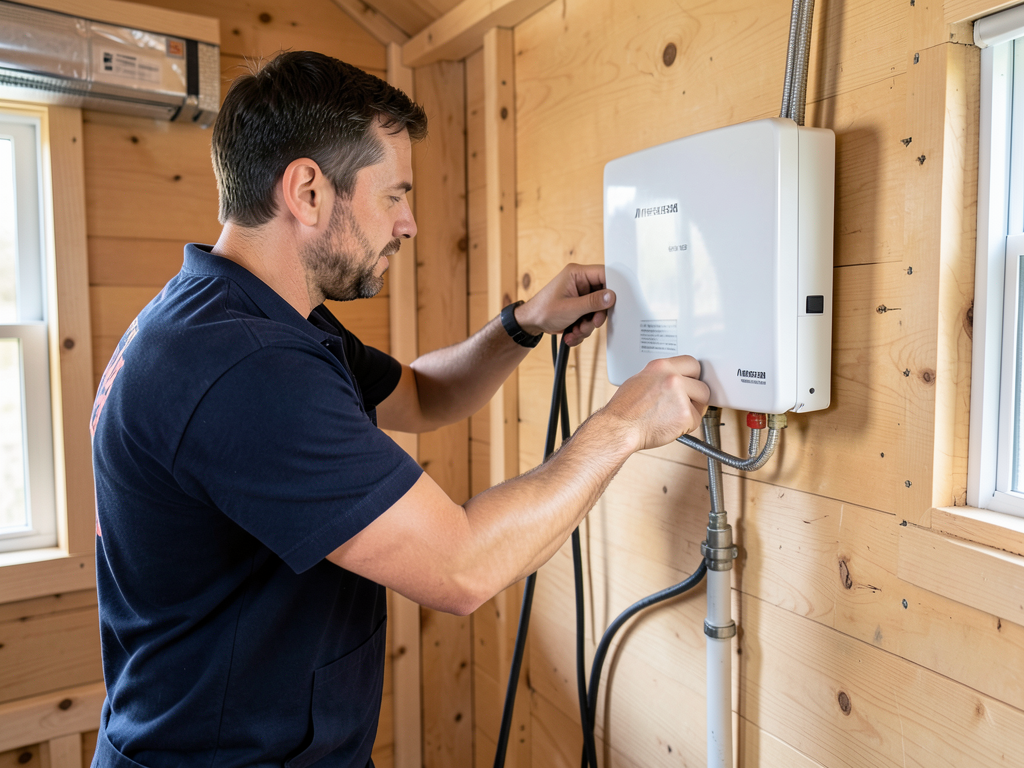
How to Heat a Small Accessory Dwelling Unit or Tiny Home in Williamsville Keeping a tiny home or accessory dwelling unit warm in Williamsville means understanding both the extreme Western New York climate and the…
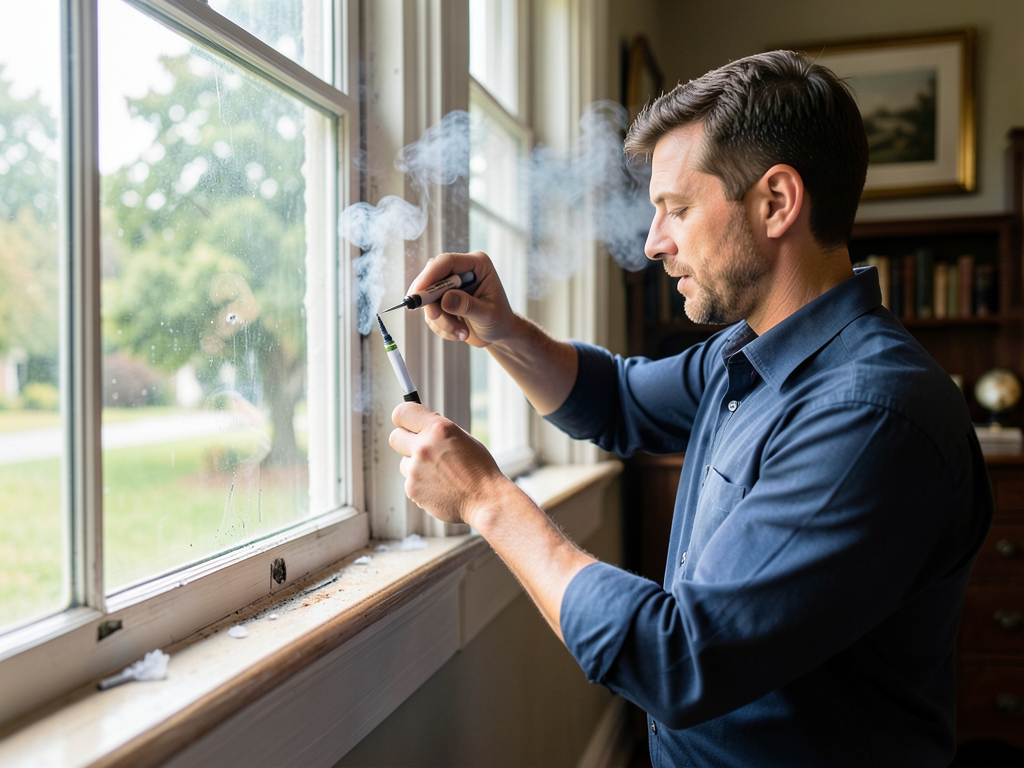
Managing Excessive Dust in Your South Buffalo Home During High Wind Events South Buffalo homes…
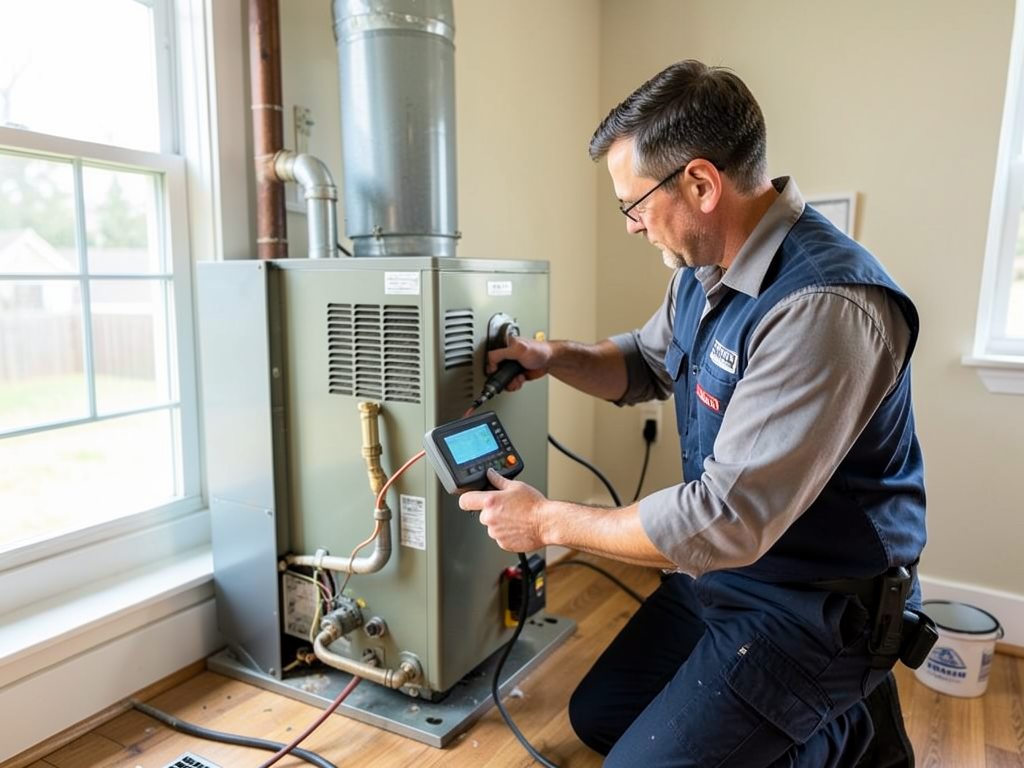
Is it Better to Pay for a Monthly HVAC Maintenance Plan or Just Call When…
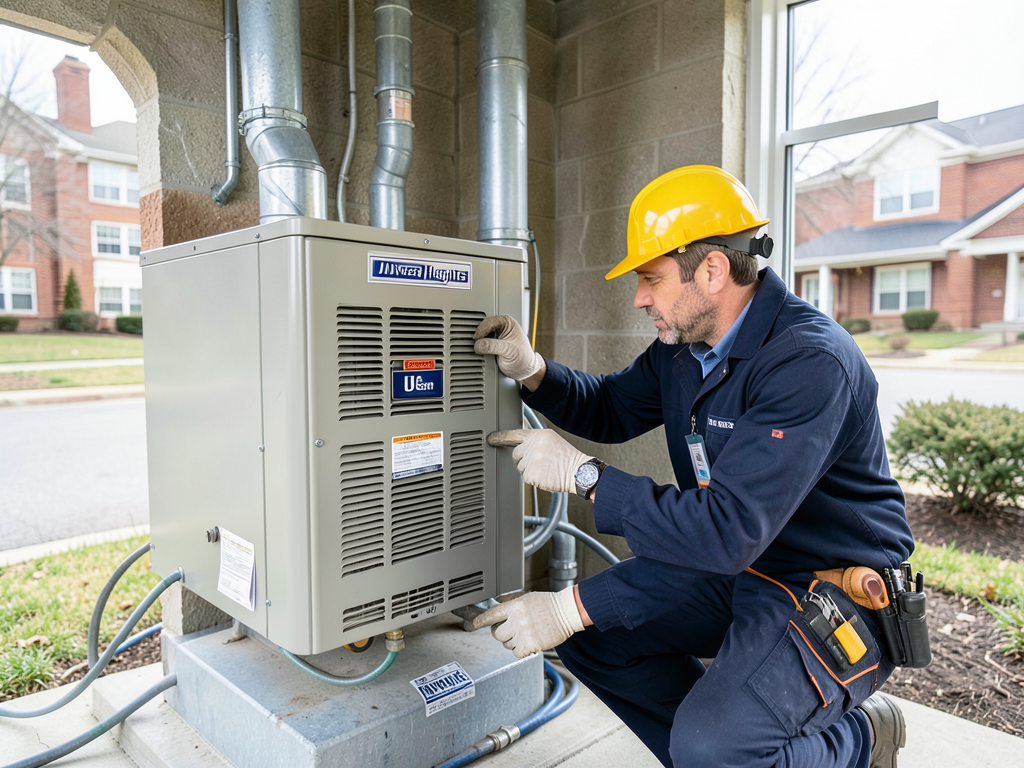
The Homeowners Guide to Buying a New HVAC System for a Rental Property in University…
Your comfort can't wait. Call United HVAC Buffalo now at (716) 317-7757 for fast response from technicians who understand Buffalo's climate and have the parts to fix your system today. We answer 24/7 for emergencies.